Organics at Home
Get a free compost bin or worm farm and start turning your food scraps and garden waste into nutrient‑rich compost at home. Through Council’s Organics at Home program, residents can order a free compost bin or worm farm (terms and conditions apply).
- Reduce waste going to landfill by turning food and garden scraps into compost instead of throwing them away.
- Help plants grow better by adding compost or worm castings to the soil for extra nutrients.
- Save money by using compost instead of buying fertilisers
This program complements Council’s garden organics collection service and free green waste weekends—helping you get more value from your household organics while creating healthy soil for your garden.
Choose your organics at home system
|
|
|
|
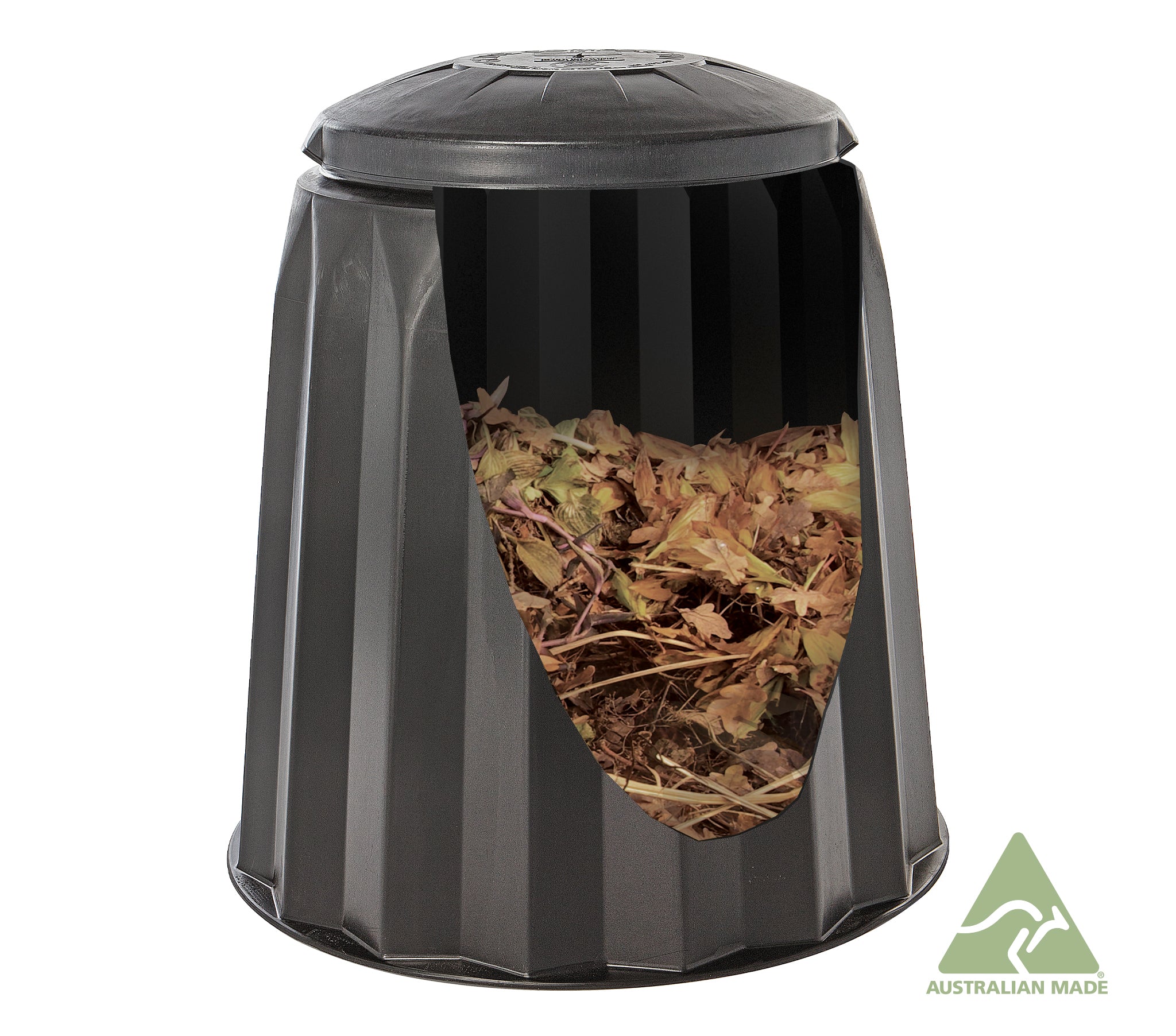
- Best for homes with both kitchen scraps and garden waste.
- Producing fertiliser with the right balance of materials, moisture and aeration.
|
- Ideal for small spaces or homes without garden waste.
- Turns food scraps into castings and worm tea for your plants.
Note: Worms are not included
|
Composting Tutorial
Learn more about Composting, from setting up to troubleshooting
Composting tutorial(PDF, 13MB)
Steps To Composting Success
Step 1
- Choose a partly sunny location for your compost.
Step 2
- Create your drainage layer.
The first layer at the bottom of your compost should be a drainage layer that is approximately 10-15cm deep. You should also include one in the middle. Make sure to have a drainage layer at the bottom and in the middle of your compost bin. Drainage materials can include small sticks and dry leaves.
Step 3
Alternate between a green (nitrogen rich) layer and a brown (carbon rich) layer. Cover top layer with newspaper, cardboard or hessian material.
Step 4
- Remember compost bins require maintenance!
You will need to use a large fork or spade to help turn the compost. This provides aeration to the decomposing materials inside. Make sure to keep your compost moist. Use the hose and lightly sprinkle water into the heap, if required.
Step 5
- When your compost is ready to harvest, it should have a dark, soil-like appearance.
This is high in nutrients and can be used on your gardens, potted plants and vegetable patches.
Learn more about Worm Farming, from setting up to troubleshooting.
Worm farm tutorial(PDF, 7MB)
Steps To Worm Farming Success
Step 1
- Purchase a worm starter kit from a local supplier or hardware shop.
Start with a minimum of 1,000 worms.
Step 2
- Select a well shaded, cool spot for your worm farm.
If possible have it close to your kitchen for the convenience.
Step 3
- Make sure to line the first tier with damp cardboard or a few sheets of newspaper that fit to the edges (this prevents the worms from falling through the holes and into the worm tea collection tray).
Place bedding material down, and the worms on top of this layer.
Step 4
- Place top layer over the worms and bedding.
Make sure this top layer is absorbent and moist (ie. hessian, tumbleweed, cardboard or newspaper). Replace this layer when needed.
Step 5
- Allow your worms to settle into their new home for at least one or two weeks.
You may wish to place a chopped up banana peel in during this time.
Step 6
- Your worm farm requires maintenance!
Always check on your worm farm and ensure it remains cool and moist, with no rotting food waste.
Organics at Home Quiz
Once you feel like you've got a handle on Organics at Home test yourself with the quiz below.
Please note: You must attempt the Organics at Home quiz below before you can order your bin.
Using and Looking After a Healthy Compost Bin
Test your compost bin maintenance knowledge. Select the best answer for each question, then click Check answers.
Using and Looking After a Worm Farm
Test your worm farm maintenance knowledge. Select the best answer for each question, then click Check answers.
Ready to order?
Home Organics Management Service – Terms and Conditions
FAQs
How does this help reduce landfill waste?
The Home Organics program offers residents a convenient, environmentally friendly alternative to disposing of their food waste to landfill in their red lid general waste bin. There is also the added benefit of turning your households organic waste into valuable compost to enrich your homes gardens or green spaces.
Are the compost bins or worm farms really free?
Yes! They are provided at no cost to residents. The program is funded through Council’s adopted budget and covered by existing rates and charges, with free home delivery included. Please note that worm farms do not include worms; these can be purchased separately from your local gardening or hardware store.
How long will it take for my order to arrive?
Due to overwhelming demand for the Organics at Home program, along with manufacturing and supply constraints, deliveries are taking longer than expected. Any outstanding orders will be delivered throughout September 2026, with priority given to older orders.
Orders placed during September 2026 will be delivered throughout October 2026. Orders placed from October 2026 onwards can be expected within fifteen (15) business days of being submitted.
Council appreciates the community's patience and understanding as we work to fulfil all orders.
Do I need to be home for delivery?
No. We’ll deliver to a safe, and, if possible, weatherproof location on your property within 10m of the property line - typically the outside the front door or porch. Please ensure the delivery driver has safe access to such a location. In the case of houses with significant setbacks items will be delivered to a location within the property line.
What happens if my compost bin/worm farm is damaged/broken/faulty?
Damaged/broken/faulty items must be reported to Council within five (5) business days of delivery to be eligible for replacement.
I just purchased my own compost bin. Will council reimburse me?
No. The program is for the systems that council has offered for residents to order directly. It is not a rebate service.
What can I do with my compost, worm castings and liquid fertiliser if I don’t have a garden?
Even without a garden, there are ways to use or share your what you produce from your worm farm or compost bin. You can add it to indoor plants, balcony pots, or window boxes to improve soil health. If you don’t need it yourself, consider giving it away to friends, neighbours, or local community gardens, which often welcome compost donations.